The Orphan
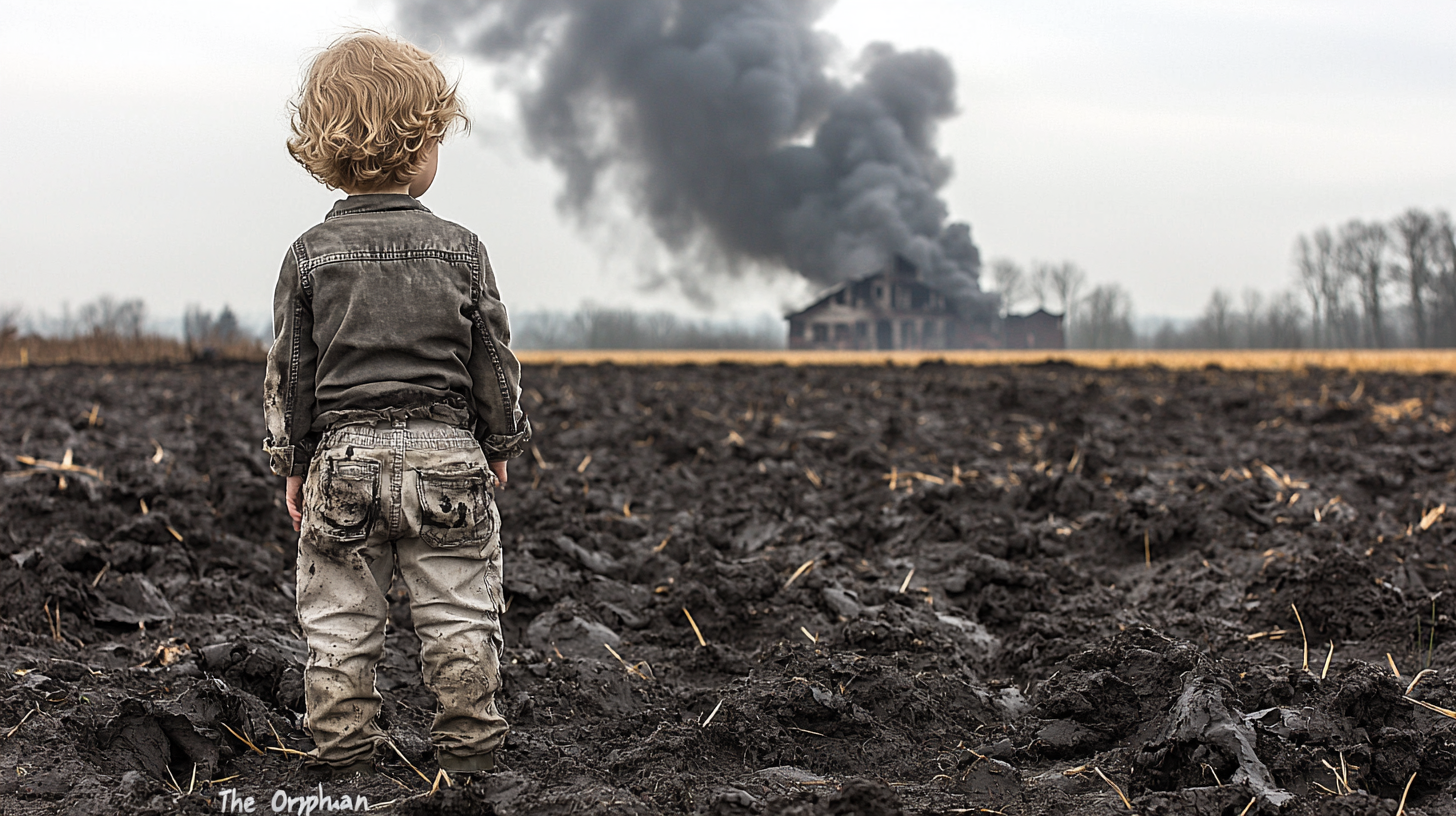
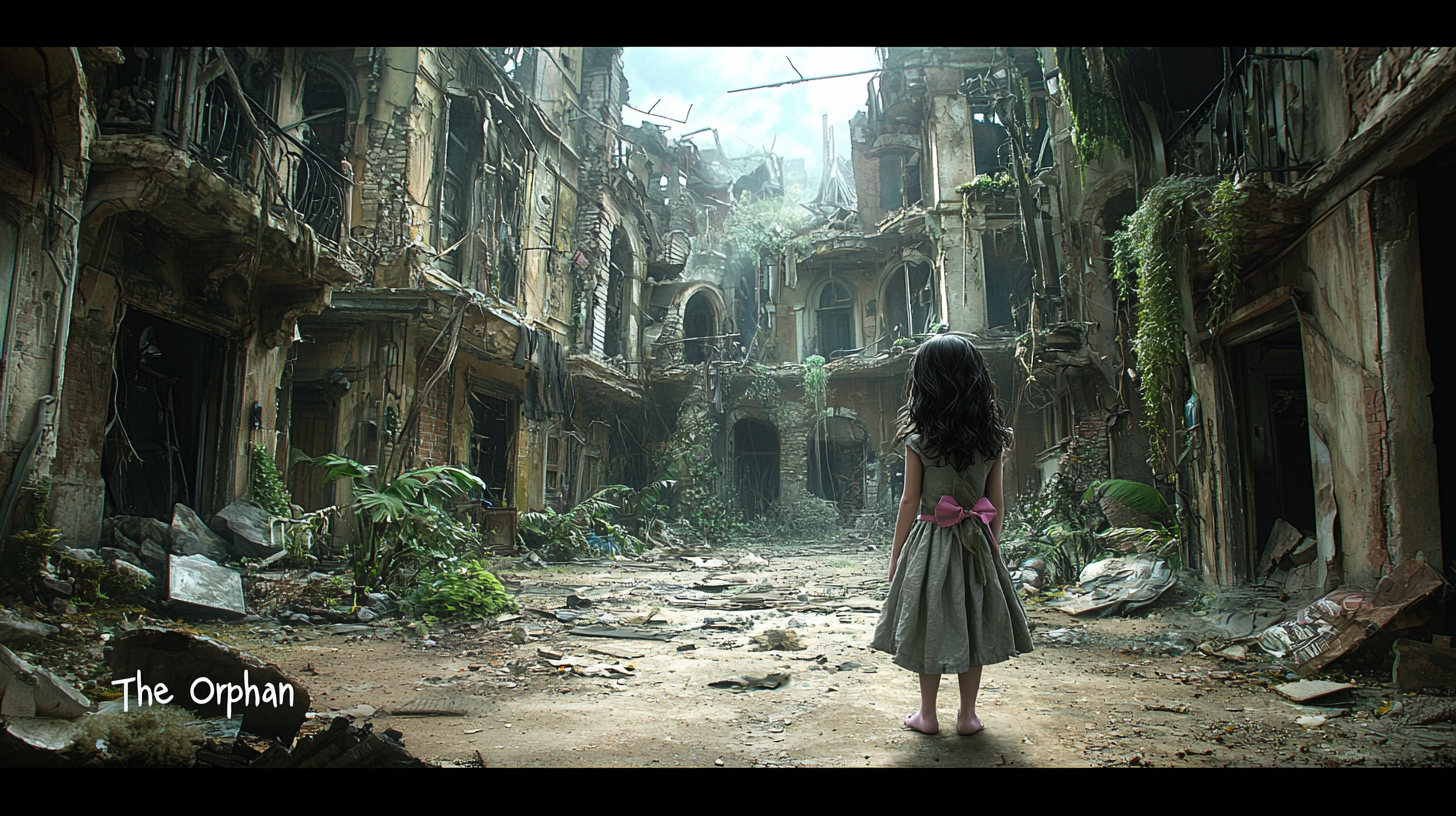
The Orphan archetype speaks to one of the deepest and most universal human experiences: the feeling of being alone, unprotected, or cast out. Unlike the child who is nurtured and guided, The Orphan is often forged through the pain of abandonment, betrayal, or early disillusionment. They are those who come to understand — sometimes too soon — that the world is not always safe, that love is not always dependable, and that belonging must often be earned or reclaimed.
But The Orphan is not simply a symbol of suffering. Beneath the wound lies an immense reservoir of strength, resilience, and heart. The journey of The Orphan is not about staying in a place of loss — it is about transcending it. They may begin in a place of isolation or hardship, but their path leads them toward connection, authenticity, and the creation of a new kind of family: one made not by blood, but by shared understanding and mutual care.
Orphans are often emotionally attuned, empathetic, and capable of deep loyalty. They know what it feels like to be forgotten or underestimated — and they rarely allow others to feel the same. Whether in personal relationships or broader communities, they serve as powerful connectors and protectors, building bridges in places where others have seen only separation.
The Orphan is both a realist and a quiet idealist. Their realism comes from experience — they’ve seen how systems fail, how people can leave, how life can disappoint. But their idealism comes from the knowledge that healing is possible. Not quick, not perfect, but real. And in that healing, they become capable of deep love, unwavering compassion, and a kind of authenticity that inspires trust in others.
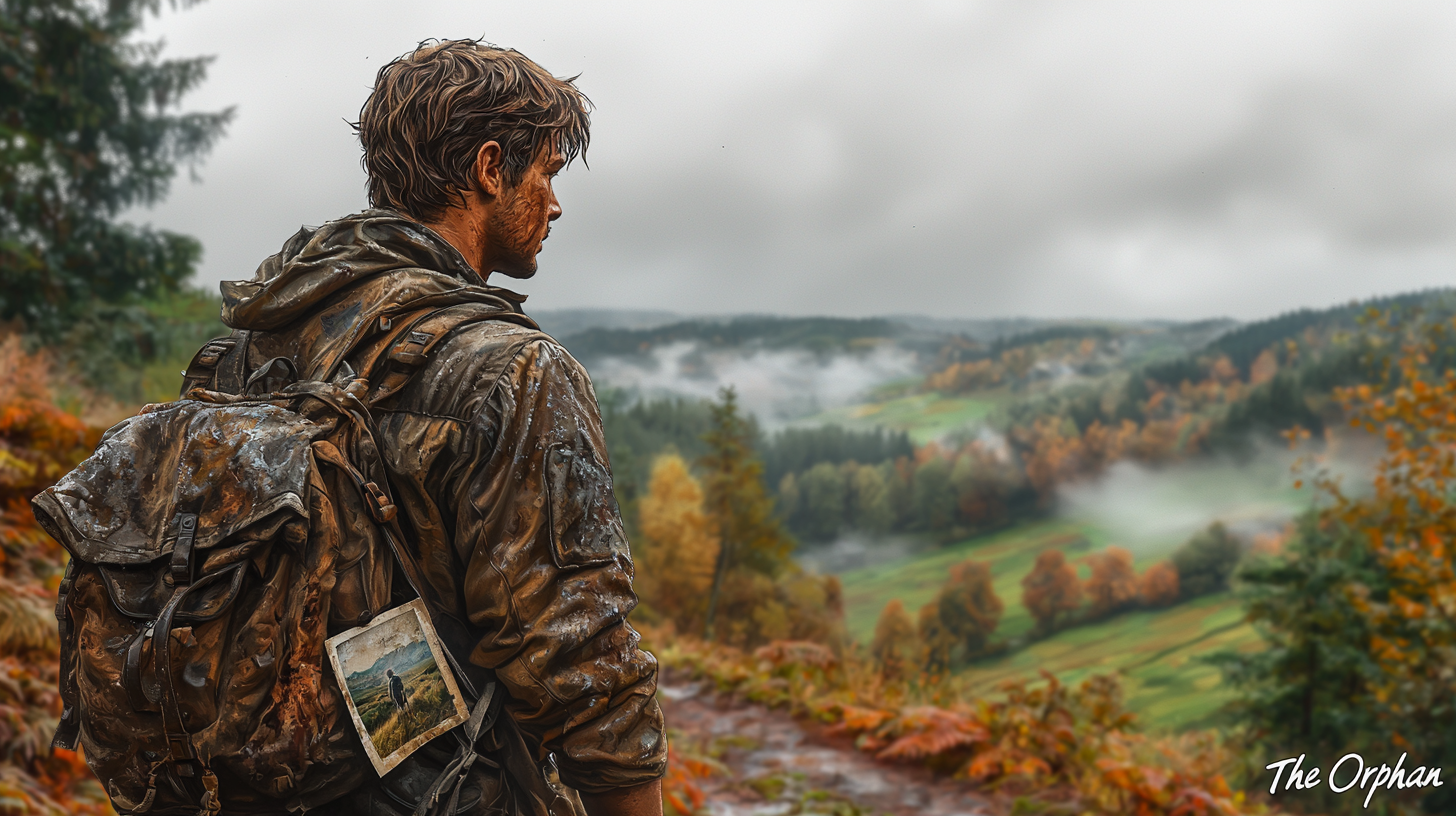
This archetype often appears in stories as the outsider, the neglected child, the quiet wanderer, or the one who has to fend for themselves. But as the narrative unfolds, The Orphan becomes something more: the one who holds the group together, the one who sees clearly, the one who offers refuge not only to themselves, but to those still searching.
Core Motivation
To find safety, connection, and a sense of belonging — and to create a world where others are never left behind.
Greatest Fear
Being abandoned, betrayed, or forgotten. Feeling invisible in a world that does not care.
Greatest Strength
Empathy, emotional wisdom, and an unshakable ability to survive — even thrive — after loss.
Shadow Expression
In its shadow form, The Orphan may become cynical, emotionally distant, distrustful, or overly dependent on others for validation. They may fall into victimhood or avoid deep relationships to protect themselves from more pain.
Path of Growth
Healing begins when The Orphan realizes that their pain does not define them — that they are worthy of love, even if it wasn’t given freely at first. Their true empowerment comes when they stop seeking rescue and begin offering the safety they once craved to others.
Why The Orphan Matters
We all carry this archetype within us, at least in part. Whether through a personal loss, a cultural wound, or a moment of spiritual exile, we have all stood in the shoes of The Orphan — wondering where we belong, and whether we truly matter. Recognizing and honoring this archetype allows us to extend compassion — to ourselves and to others. It reminds us that pain is not weakness, and that healing is not only possible, but noble.
The Orphan does not become powerful in spite of their brokenness. They become powerful because of the way they rise from it — humble, kind, fiercely real.