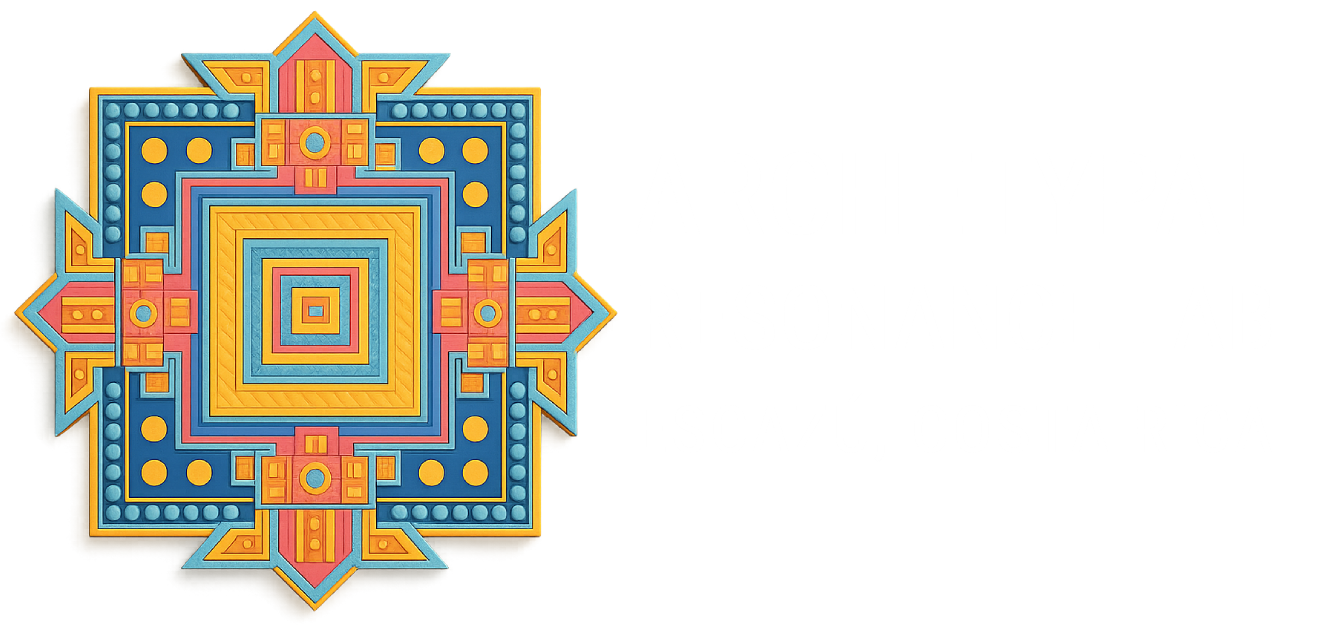
The Monk
The Monk is the embodiment of inner stillness, spiritual devotion, and disciplined simplicity. Where others turn outward for meaning, the Monk turns inward — seeking the sacred in silence, the eternal in the everyday, and the divine within the self. This archetype is not driven by ambition or acclaim. Instead, the Monk is driven by a longing to transcend illusion, to purify the heart, and to align one’s life with higher truths.
At the core of the Monk’s journey is surrender — not weakness, but the powerful release of ego, distraction, and attachment. They renounce the noise of the world to hear the whisper of the soul. Whether cloistered in a literal monastery or simply carving space for solitude in a noisy life, the Monk devotes themselves to presence, discipline, and conscious awareness. Their path is one of practice. Prayer. Breath. Stillness. Repetition. Sacrifice. And peace.
The Monk archetype values integrity over image. They do not seek followers, nor do they crave validation. They live by inner alignment, and this devotion gives them an unshakable calm. In a world intoxicated by speed, novelty, and distraction, the Monk becomes a counterforce — an invitation to slow down, to quiet the mind, to listen more deeply.
And while the Monk often appears solitary, their solitude is not isolation — it is communion. The Monk seeks union not just with God, Source, or Spirit, but with their own true self — the part of them that is undisturbed by fear, desire, or societal pressures. In this way, the Monk is not detached from life but deeply in tune with it. They are grounded, attentive, and reverent toward all things — from a blade of grass to a sacred text to the fleeting rhythm of breath.
The Monk’s gift is their stillness. They remind us that clarity does not always come from more action, but from deeper attention. That peace is not the absence of problems, but the presence of presence. They teach us to see beyond the material, to honor the sacred in all things, and to live simply so that the soul may speak.
And yet, the Monk’s path is not easy. In a world that rewards noise and spectacle, the Monk is often overlooked or misunderstood. Their devotion can be seen as detachment, their silence as irrelevance. But this solitude is intentional — it is a purification, a conscious choice to live by values that transcend external gain.
Still, the Monk archetype carries a shadow. In its unbalanced form, the Monk can become overly withdrawn, detached not just from the world but from connection itself. They may retreat into spiritual bypassing — using devotion to avoid pain, relationships, or responsibility. Their discipline can become rigidity; their solitude, a shield. They may cling to purity and reject the messiness of being human.
This is the challenge of the Monk: to balance inward devotion with outward compassion. To remain rooted in the sacred while not abandoning the world. The mature Monk does not flee from suffering — they sit with it. They do not avoid relationship — they bring presence into it. They do not seek to escape the body — they sanctify it. Their renunciation is not an escape from life, but a return to its essence.
In society, the Monk may appear in many forms. As a spiritual guide, a meditation teacher, a healer, a mystic, or even a quiet presence in a hectic household who carries a centered calm that others feel but may not understand. They are often the ones who hold the spiritual container — not loudly, but by example. Their lives become a living prayer.
On a personal level, the Monk awakens in us during moments of stillness — when we long for peace more than progress, when we yearn to unplug, to reflect, to step back from the clamor of the world and return to our own breath. The Monk asks: What is essential? What can be surrendered? What remains when the noise fades away?
To walk the Monk’s path is to live from the inside out. It means choosing simplicity when the world pushes excess, choosing presence when the world demands performance. It is a sacred act of resistance — to value silence in a culture of shouting, to value meaning over metrics, and to tend the inner temple while the outer world races past.
The Monk teaches us that discipline is not about restriction, but liberation — that by narrowing our focus, we deepen our experience. That by letting go of distractions, we come closer to truth. And that by walking slowly, we arrive more fully.
In the end, the Monk does not promise us escape. They offer us return — to the breath, to the moment, to the divine spark within. And in that return, we rediscover a deeper rhythm of life — one that was always there, quietly waiting, beneath the noise.